
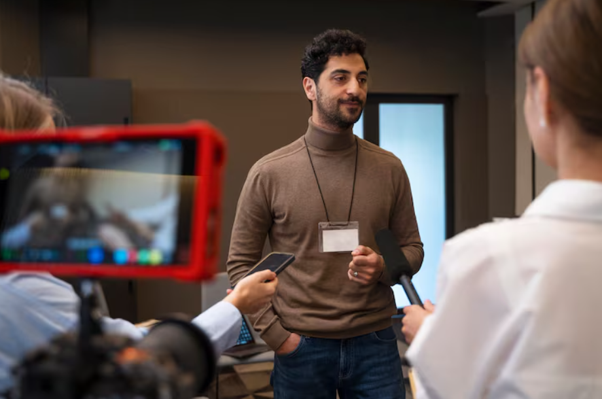
It takes a totally special approach behind the camera to really capture those true emotions. A normal person in front of a big camera lens often freezes. They get caught up in their own voices, and their natural personality goes right out the window. Turning to professional documentary video services helps directors navigate these highly sensitive human moments carefully. True experts know how to dissolve that initial awkwardness. They turn stressful interviews into relaxed conversations that capture raw, honest stories beautifully.
Building Real Personal Rapport
Before turning on any expensive camera equipment, you must spend time talking with your subject. Sit down with them and drink some tea without discussing the actual script. Learn about their daily lives and listen to their personal stories with genuine interest. This initial quiet time builds a foundation of safety and mutual respect between the crew and the subject. When people feel safe, they forget about the big glass lens pointing at them.
Setting Up Small Hidden Gear
Massive production setups with heavy metal stands can terrify someone who has never seen a movie set. Keeping your technical gear small and quiet reduces overall workplace anxiety significantly. Hide the massive monitors and use small clip-on microphones instead of giant boom poles. A specialized video production company uses minimalist configurations to keep the focus entirely on human interaction. When the technical environment feels small, your subject relaxes completely and speaks with their natural voice.
Asking Open Questions Comfortably
Avoid reading list questions from a clipboard like a stiff police officer. Ask broad queries that let the subject share long memories in their own words. If they wander off on a tiny tangent, let them talk for a while without interrupting. Those unexpected conversational detours often contain the most emotional pieces of your entire film. Your main job is to listen intently and nod while they share their personal truth.
Managing Natural Nervous Pauses
Silence often feels uncomfortable on a busy commercial film set with tight deadlines. In documentary filmmaking, a long quiet pause is actually a powerful creative tool. Do not jump in too quickly with another question when a speaker stops talking. People frequently share their deepest insights right after a brief moment of quiet reflection. Let the silence breathe for a couple of seconds to capture those heavy, unscripted human emotions cleanly.
Using Comfortable Physical Spaces
Filming inside a cold rental studio makes non-actors feel incredibly stiff and out of place. Interview people inside their own homes or at their familiar daily workspaces instead. Familiar surroundings provide immediate comfort and trigger authentic physical habits that look great on screen. They hold their hands naturally and move around without looking for explicit direction from your floor managers. This natural movement brings a rich layer of organic texture to your final edit.
Maintaining Sincere Editorial Honesty
Non-actors need to know that you respect their personal stories and privacy. Explain how the final edited footage will look before you pack up the gear. When people trust your artistic motives, they share much more vulnerable parts of their lives. This deep emotional honesty translates directly into powerful marketing assets that viewers trust completely. True documentary filmmaking relies on keeping these silent promises from the first day of shooting to the final wrap.
Conclusion
Directing everyday people requires an immense amount of patience, empathy, and specialized technical care. Heavy equipment and rigid corporate scripts will only ruin the natural authenticity you want to capture. Working alongside experienced field experts ensures your subjects feel completely comfortable sharing their real lives. They handle the complex human elements and subtle technical details seamlessly behind the scenes. Discover how professional crews can help capture your brand story by visiting posted-productions.com to explore our adaptive filming solutions today.