
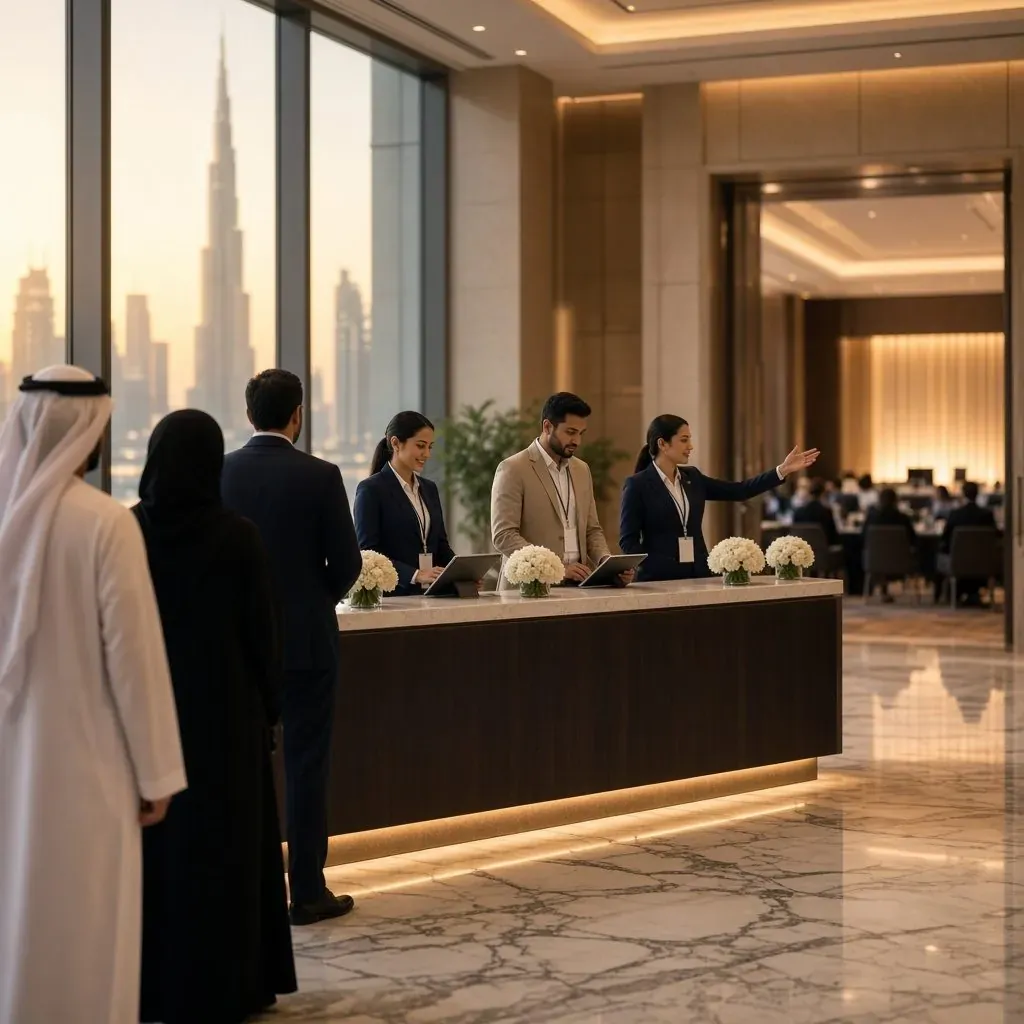
A corporate event may feature impressive speakers, elegant decorations and carefully prepared presentations, yet its success often depends on what happens before the main programme begins. Guests form their first impressions while approaching the venue, locating registration desks and finding their seats. Confusing directions or long queues can create frustration before anyone reaches the conference hall. Working with an Event Staffing Company Abu Dhabi can help organisers plan these interactions more carefully. The key is understanding how trained personnel contribute to a welcoming and organised event experience.
The First Impression Starts at the Entrance
Corporate guests often arrive with different expectations and levels of familiarity with the venue. Some may be regular attendees, while others could be visiting Abu Dhabi for the first time. Clear directions and approachable staff make the arrival process easier for everyone.
Entrance personnel should understand where registration, meeting rooms and hospitality areas are located. Their ability to answer simple questions confidently reduces confusion. A friendly welcome also establishes the professional atmosphere that organisers want visitors to associate with the event.
Registration Requires More Than Checking Names
An efficient registration area needs suitable staffing levels, organised equipment and a clear process for resolving unexpected situations. Guests may arrive without confirmation details, require replacement badges or need assistance finding their assigned sessions.
Registration teams should receive instructions before doors open. They need to understand the attendee list, badge categories and escalation procedures. A dedicated supervisor can resolve complicated requests while other team members continue processing arrivals, helping queues move consistently.
Assign Responsibilities Before the Event
Staffing problems often arise when several people assume someone else is handling an important task. Clear responsibility charts reduce this uncertainty and allow team members to focus on their assigned duties.
A practical staffing plan might identify separate personnel for registration, guest guidance, speaker assistance, VIP reception and room management. Each role should have a designated point of contact. Written instructions are particularly useful when the event operates across multiple halls or meeting spaces.
Small Details Affect the Guest Journey
Visitors notice practical inconveniences even when they appreciate the main programme. Missing signs, crowded corridors and difficulty finding restrooms can influence their overall experience.
Organisers should consider several details during planning:
- Clear guidance from parking areas to registration.
- Accessible routes for attendees with mobility requirements.
- Sufficient staff near busy entrances.
- Visible assistance at meeting-room intersections.
- Reliable communication between reception and room teams.
- Support for guests who require additional information.
These arrangements help create a smoother journey without relying entirely on printed directions.
Briefing Teams Creates Consistent Service
Even experienced event staff need information about the specific occasion. A team accustomed to exhibitions may encounter different expectations at a formal leadership conference or corporate awards ceremony.
A briefing should cover the programme, venue layout, guest categories, dress requirements and important safety procedures. Personnel should also know how to respond when they cannot answer a question. Referring an issue to the correct supervisor is more professional than providing uncertain information.
Plan for Unexpected Changes
Event schedules rarely remain completely unchanged. A speaker may arrive late, registration numbers may exceed expectations or a meeting room may need to be reassigned.
Staff members need a reliable way to receive updated instructions. Team leaders can coordinate changes and ensure information reaches the appropriate positions. A short communication procedure helps prevent conflicting directions from being given to visitors during busy periods.
The Value of On-Site Team Leadership
Large corporate events may require several groups of personnel working simultaneously. Without clear supervision, small misunderstandings can spread across different departments.
On-site supervisors help coordinate shift arrangements, breaks and changing priorities. They also provide organisers with a central contact instead of requiring them to communicate separately with every team member. This coordination is particularly valuable during arrivals, programme transitions and final departures.
Evaluate What Happened Afterwards
Once guests leave, organisers often concentrate on clearing the venue and closing supplier accounts. However, reviewing staffing performance can provide valuable information for future events.
Feedback from registration personnel may reveal recurring questions or poorly positioned signs. Ushers can identify crowded routes, while supervisors may highlight scheduling difficulties. Recording these observations helps improve staffing plans without making assumptions based solely on the organiser’s perspective.
Conclusion
A successful corporate event depends on more than the activities taking place on stage. Guest arrivals, registration, navigation and reliable communication all shape the experience from beginning to end. Clear staff responsibilities and appropriate supervision help organisers manage these details effectively. The Crew Lab provides event staffing and operational support across Abu Dhabi and other UAE locations, including guest assistance and registration teams. By planning the visitor journey carefully, organisers can create a more professional environment and reduce avoidable disruption throughout the event.